Introduction
In a world where restaurant portions have doubled or tripled over the past 30 years, portion control has become one of the most critical, yet overlooked, skills for maintaining a healthy weight. The good news? You don't need to carry a food scale everywhere. With evidence-based visual guides and practical strategies, you can master portion control and enjoy food without the stress of constant measuring.
Why Portion Control Matters
Portion control isn't about deprivation, it's about awareness and alignment between how much you eat and how much your body needs.
Science Says
Studies show people consistently eat more when served larger portions, regardless of hunger levels. This "portion size effect" is one of the main drivers of overeating.
Portion Distortion
What we consider "normal" portions have grown dramatically. A bagel in the 1990s was 3 inches (140 cal); today's average bagel is 6 inches and 350+ calories.
Weight Management
Even "healthy" foods can sabotage weight loss in excessive amounts. Portion awareness helps you enjoy all foods while hitting your calorie targets.
Mindfulness
Practicing portion control increases eating awareness, helps you recognize true hunger, and breaks the cycle of mindless eating.
The Hand Method: Your Built-In Measuring Tool
Your hand travels with you everywhere, making it the perfect portion guide. These comparisons work for most adults and scale to your body size.
Protein Portions
- Chicken breast
- Fish fillet
- Lean beef
- Pork chop
Carbohydrate Portions
- Cooked rice or pasta
- Potatoes
- Oatmeal
- Whole grain bread (2 slices)
Vegetable Portions
- Leafy greens
- Broccoli, cauliflower
- Peppers, zucchini
- Mixed salad
Fat Portions
- Olive oil, butter
- Nut butter
- Cheese (thumb length)
- Nuts (small handful)
Sample Meal Using Hand Method
The Plate Method: Balanced Eating Made Visual
The plate method divides your plate into sections for optimal nutrition balance, no measuring required.
How to Use the Plate Method
½ Plate: Non-Starchy Vegetables
Fill half your plate with vegetables like leafy greens, broccoli, peppers, tomatoes, cauliflower, green beans, asparagus, or mushrooms.
Why: High volume, low calories, packed with nutrients and fiber
¼ Plate: Lean Protein
One quarter should be protein: chicken, fish, lean beef, tofu, legumes, eggs, or Greek yogurt.
Why: Protein keeps you full, preserves muscle, and has high thermic effect
¼ Plate: Complex Carbs
The final quarter is for carbohydrates: brown rice, quinoa, whole grain bread, sweet potato, or whole wheat pasta.
Why: Provides energy, fiber, and important micronutrients
+ Small Amount of Healthy Fat
Add a small portion (thumb-size) of olive oil, avocado, nuts, or seeds.
Why: Aids nutrient absorption and increases satiety
Plate Method Variations by Goal
Weight Loss
Increase vegetables, moderate carbs, prioritize protein
Maintenance
Balanced approach for maintaining current weight
Muscle Building
Higher protein and carbs to support training and recovery
Everyday Visual Comparisons
Beyond hands and plates, use these familiar objects to estimate portions accurately:
Tennis Ball
= ½ cup or 1 serving
- Cooked pasta or rice
- Fresh fruit
- Ice cream (treat portion)
- Potato salad
Deck of Cards
= 3 oz cooked meat
- Chicken breast
- Fish fillet
- Steak portion
- Pork chop
Four Dice
= 1 oz cheese
- Cheddar cube
- Mozzarella slice
- Swiss cheese
- Cheese stick
Light Bulb
= 1 cup or double serving
- Salad greens
- Berries
- Breakfast cereal
- Popcorn
Silver Dollar
= 1 tbsp
- Peanut butter
- Salad dressing
- Cream cheese
- Mayonnaise
Baseball
= 1 cup
- Yogurt serving
- Soup portion
- Chopped vegetables
- Beans or legumes
Psychology of Portion Control
Understanding the mental side of eating is just as important as knowing portion sizes.
The Delboeuf Illusion
The Science: The same portion looks larger on a smaller plate and smaller on a larger plate, affecting how much we eat.
Color Contrast Effect
The Science: People serve themselves 30% more food when plate and food colors match (white rice on white plate).
Package Size Effect
The Science: People consume 25-50% more from large packages than small ones, even when trying to be careful.
Out of Sight, Out of Mind
The Science: Visible, accessible food is consumed 70% more often than food stored out of sight.
Distraction Effect
The Science: Eating while watching TV or scrolling leads to consuming 25% more calories without noticing.
Serve From Kitchen, Not Table
The Science: Family-style serving (food on table) leads to 35% more second helpings than plating in the kitchen.
Restaurant Strategies
Dining out is where portion control becomes most challenging. Restaurants serve 2-4 times standard portions on average.
Before You Order
- Check the menu online: Many restaurants now list calories. Choose before hunger strikes.
- Ask for half portions: Some restaurants offer lunch portions at dinner or half-size entrees.
- Request modifications: "Dressing on the side," "steamed instead of fried," "no bread basket."
- Start with water: Drink 16 oz before ordering. Thirst often masquerades as hunger.
When Food Arrives
- Immediately box half: Ask for a to-go container when food arrives. Pack half before eating.
- Use the plate method: Mentally divide the plate, eat extra veggies first, moderate proteins/carbs.
- Eat slowly: Put fork down between bites. Fullness signals take 20 minutes to register.
- Share dishes: Split an entree and order extra vegetables or a side salad.
Smart Menu Choices
- Appetizers as entrees: Often more reasonable portions, order 2 small plates instead of 1 large.
- Grilled over fried: Saves 300-500 calories from excess oil.
- Sauce on the side: Dressings and sauces add 200-400 hidden calories per meal.
- Skip "extras": Breadbasket, chips, appetizers can add 500+ calories before your meal.
Portion Estimates by Cuisine Type
Italian
Typical pasta: 3-4 servings
Strategy: Share pasta, order protein-forward dishes, eat more vegetables/salad
Mexican
Burrito: 1,000-1,500 calories
Strategy: Choose bowl over burrito (saves tortilla), go easy on cheese/sour cream
American
Burger + fries: 1,200-2,000 cal
Strategy: Swap fries for salad, remove top bun, skip mayo-based sauces
Asian
Fried rice/noodles: 2-3 servings
Strategy: Order steamed protein + veggies, request sauce on side, share rice dishes
Common Portion Control Mistakes
Eating Straight From Package
Studies show people eat 50% more when eating directly from bags or containers.
Liquid Calories Don't Count
A large sweetened coffee drink can contain 500+ calories, more than some meals.
"Healthy" = Unlimited Portions
Nuts, avocados, olive oil, and protein bars are nutritious but calorie-dense.
Forgetting Cooking Oils & Condiments
1 tablespoon of oil = 120 calories. Sauces and dressings add up fast.
Ignoring Restaurant Portion Sizes
Restaurant meals average 1,200+ calories, often a full day's worth for some people.
Mindless Snacking
Grazing throughout the day can add 500-1,000 untracked calories.
Practical Portion Control Tools
Digital Tools
Tracking Apps
Apps like Glewell offer visual portion guides, barcode scanners, and quick estimates for logging.
Smart Kitchen Scales
Bluetooth-connected scales that sync with apps for precise tracking when you want accuracy.
Photo Recognition
AI-powered tools estimate portions from photos, improving in accuracy every year.
Physical Tools
Portion Control Plates
Pre-divided plates with sections for protein, carbs, and vegetables, visual portion guidance built in.
Measuring Cups & Spoons
Essential for calibrating your eye, use for 2-4 weeks to learn what portions look like.
Smaller Dinnerware
9-inch plates, smaller bowls, and tall narrow glasses naturally reduce portion sizes.
Habit-Building Tools
Meal Prep Containers
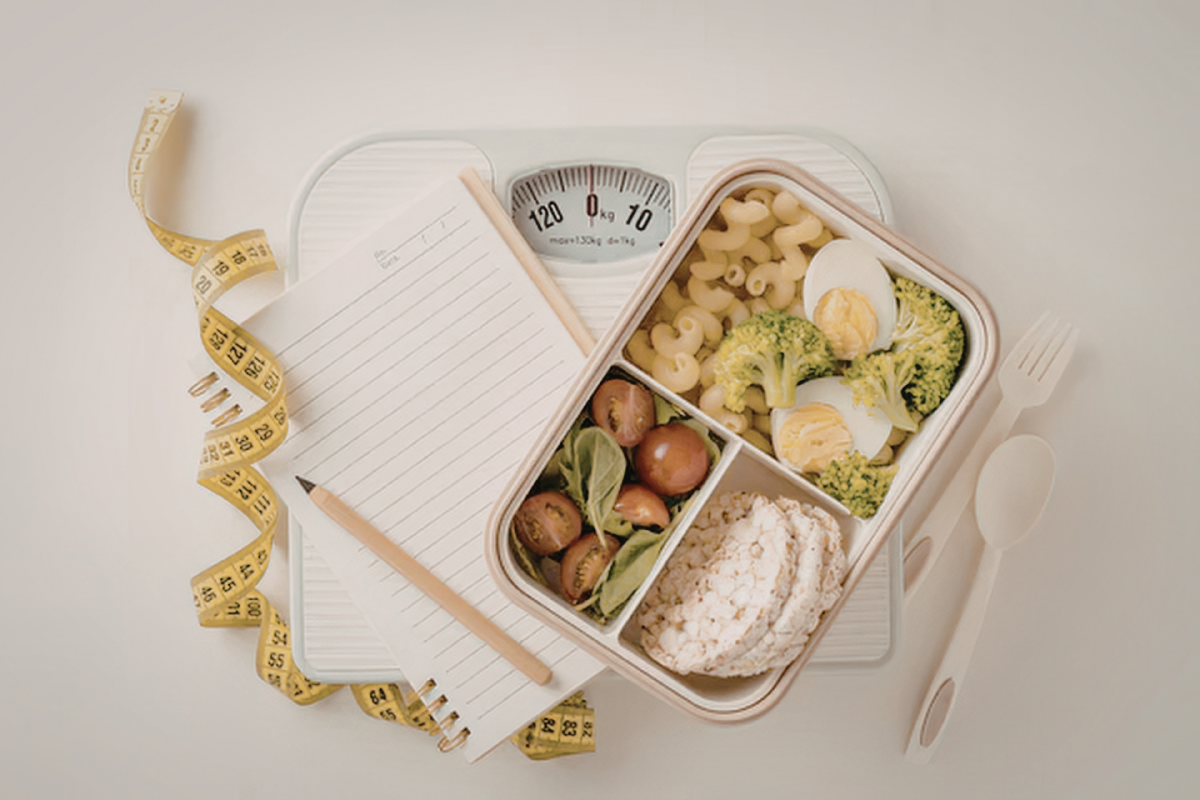
Pre-portioned containers (2-compartment or 3-compartment) make portion control automatic.
Snack Baggies
Pre-portion snacks into small bags or containers immediately after shopping.
Visual Reference Cards
Laminated hand-method guides or fridge magnets with portion comparisons as daily reminders.
Building Portion Awareness: 30-Day Plan
Week 1: Calibration
Build awareness through measurement
- Measure ALL food portions with cups/scales for 7 days
- Notice how portions look on your plates
- Compare your usual portions to recommended sizes
- Take photos of correctly-portioned meals as references
Week 2: Visual Methods
Practice hand and plate methods
- Use hand method for all meals
- Apply plate method at dinner
- Spot-check with measuring tools to verify accuracy
- Adjust portions based on hunger/fullness
Week 3: Real-World Testing
Apply skills to challenging situations
- Practice estimating at restaurants (eat out 2-3x)
- Navigate parties/social events with portion awareness
- Pre-portion snacks and convenience foods
- Use psychological strategies (smaller plates, etc.)
Week 4: Intuitive Portioning
Build automatic habits
- Estimate portions without tools, then verify
- Notice hunger/fullness without external cues
- Adjust portions based on activity level
- Reflect on what portion sizes feel sustainable long-term
Conclusion
Portion control isn't about deprivation, it's about awareness, alignment, and freedom. With visual guides like the hand and plate methods, psychological strategies, and a bit of practice, you can enjoy all foods while hitting your health goals. Start with one method that resonates, practice consistently, and watch your relationship with food transform.