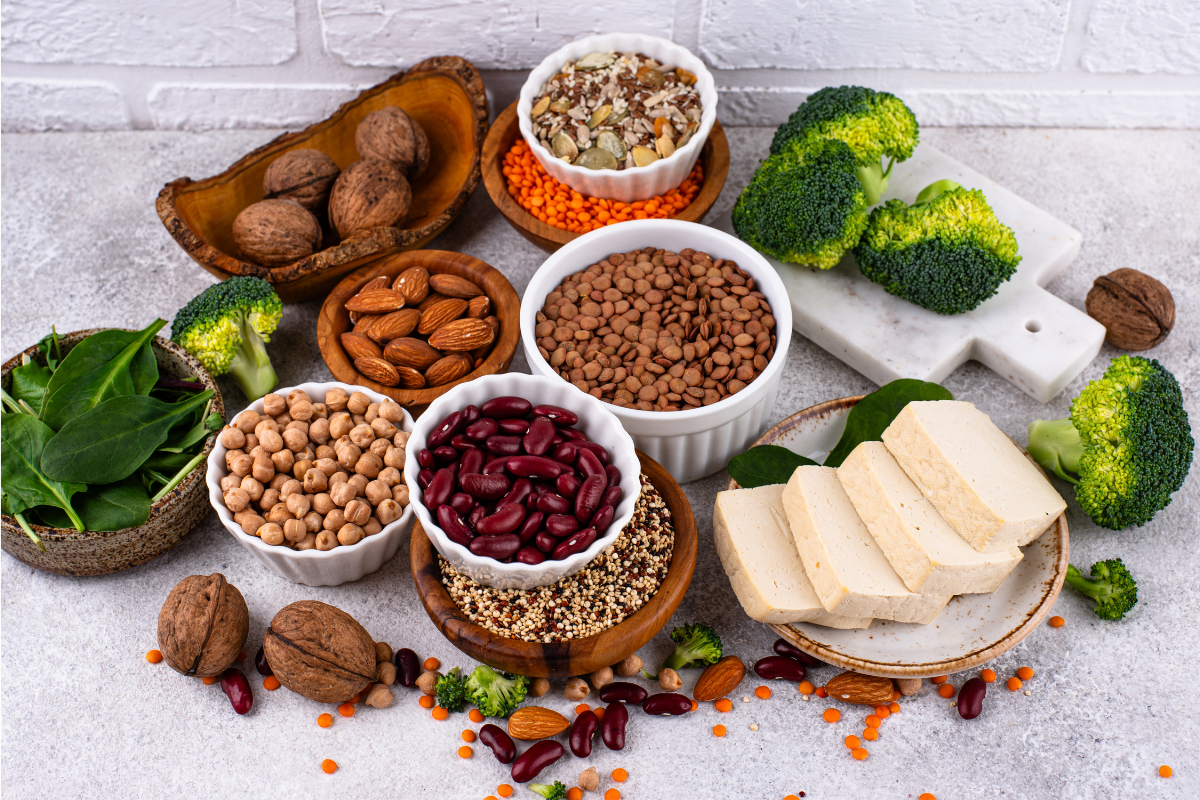
Introduction
Plant-based eating has transformed from a niche lifestyle to a mainstream movement, and for good reason. Whether you're motivated by health benefits, environmental concerns, or animal welfare, plant-based diets offer a sustainable and nutritious approach to eating that can improve your overall well-being while reducing your environmental footprint.
Understanding Plant-Based Eating
A plant-based diet emphasizes foods primarily from plant sources. This includes not only fruits and vegetables, but also nuts, seeds, oils, whole grains, legumes, and beans. It doesn't mean you're vegetarian or vegan and never eat meat or dairy. Rather, you're proportionately choosing more of your foods from plant sources.
Did You Know?
Studies show that people following plant-based diets have a 25% lower risk of heart disease and a 22% lower risk of developing type 2 diabetes compared to those eating animal-heavy diets.
Types of Plant-Based Diets
1. Whole Food Plant-Based (WFPB)
Focuses on minimally processed foods, emphasizing whole grains, vegetables, fruits, legumes, seeds, and nuts while avoiding animal products and refined foods.
2. Vegan
Excludes all animal products including meat, dairy, eggs, and honey. May include processed plant-based alternatives like vegan cheese and meat substitutes.
3. Vegetarian
Avoids meat but may include dairy products and eggs (lacto-ovo vegetarian). Variations include lacto-vegetarian (dairy but no eggs) and ovo-vegetarian (eggs but no dairy).
4. Flexitarian
Primarily plant-based but occasionally includes small amounts of meat, poultry, or fish. This flexible approach makes it easier for many people to transition.
5. Pescatarian
Plant-based diet that includes fish and seafood but excludes other meats. Often includes dairy and eggs as well.
Health Benefits of Plant-Based Eating
Heart Health
Lower cholesterol, reduced blood pressure, and decreased risk of cardiovascular disease
Weight Management
Naturally lower in calories and higher in fiber, making it easier to maintain a healthy weight
Disease Prevention
Reduced risk of type 2 diabetes, certain cancers, and neurodegenerative diseases
Gut Health
Higher fiber intake supports beneficial gut bacteria and improves digestive health
More Energy
Nutrient-dense foods provide sustained energy without the heavy feeling of processed foods
Longevity
Studies link plant-based diets to increased lifespan and better quality of life in later years
Essential Nutrients to Focus On
While plant-based diets are incredibly nutritious, it's important to pay attention to certain nutrients that are more abundant in animal products. Here's what you need to know:
Protein
Plant Sources: Lentils, chickpeas, black beans, tofu, tempeh, edamame, quinoa, nuts, seeds, nutritional yeast
Aim for 0.8-1g per kg of body weight daily
Vitamin B12
Plant Sources: Fortified plant milks, nutritional yeast, fortified cereals, supplements
Consider a B12 supplement if fully plant-based
Iron
Plant Sources: Spinach, lentils, chickpeas, pumpkin seeds, quinoa, fortified cereals, dark chocolate
Pair with vitamin C for better absorption
Calcium
Plant Sources: Fortified plant milks, tofu (calcium-set), kale, broccoli, almonds, tahini, chia seeds
Aim for 1000-1200mg daily
Omega-3s
Plant Sources: Flaxseeds, chia seeds, walnuts, hemp seeds, algae oil supplements
Consider an algae-based EPA/DHA supplement
Vitamin D
Plant Sources: Fortified plant milks, mushrooms exposed to UV light, supplements, sunlight
Most people benefit from supplementation
Building a Balanced Plant-Based Plate
Creating nutritious plant-based meals is easier than you think. Follow this simple formula for balanced, satisfying meals:
½ Vegetables
Fill half your plate with colorful non-starchy vegetables like leafy greens, peppers, broccoli, cauliflower, tomatoes, and mushrooms
¼ Whole Grains
Include complex carbohydrates like brown rice, quinoa, oats, whole wheat pasta, sweet potatoes, or whole grain bread
¼ Plant Protein
Choose from legumes, tofu, tempeh, seitan, or protein-rich grains like quinoa to meet your protein needs
Healthy Fats
Add nuts, seeds, avocado, or olive oil for satiety, flavor, and absorption of fat-soluble vitamins
Flavor Boosters
Use herbs, spices, citrus, vinegar, and sauces to make your meals exciting and delicious
Hydration
Don't forget to drink water throughout the day to support digestion and overall health
Sample Plant-Based Meal Plan
Overnight Oats Power Bowl
Oats soaked with almond milk, topped with berries, chia seeds, walnuts, and a drizzle of maple syrup
Buddha Bowl
Quinoa base with roasted chickpeas, kale, roasted sweet potato, avocado, and tahini dressing
Lentil Bolognese
Hearty lentil-based sauce over whole wheat pasta, served with side salad and nutritional yeast
Smart Choices
Hummus with vegetable sticks, apple with almond butter, trail mix, or smoothie with spinach and protein powder
Tips for Transitioning to Plant-Based Eating
Start Gradually
Begin with Meatless Mondays or replace one meal a day with a plant-based option. Slow transitions tend to be more sustainable.
Focus on Addition, Not Restriction
Instead of thinking about what you're giving up, explore new foods and recipes you haven't tried before.
Stock Your Pantry
Keep staples on hand like canned beans, grains, frozen vegetables, nuts, and your favorite plant-based protein sources.
Experiment with Flavors
Learn to use herbs, spices, and sauces to make plant-based meals exciting and delicious.
Plan Ahead
Meal prep on weekends and batch cook grains and legumes to make weeknight dinners easier.
Stay Educated
Learn about nutrition and proper meal planning to ensure you're meeting all your nutritional needs.
Conclusion
Adopting a plant-based diet doesn't have to be all-or-nothing. Whether you go fully vegan or simply incorporate more plant-based meals into your week, you'll reap significant health and environmental benefits. The key is finding an approach that works for your lifestyle, preferences, and nutritional needs.
Ready to Start Your Plant-Based Journey?
Track your meals, ensure you're meeting your nutritional goals, and discover new recipes with Glewell's advanced nutrition tracking system.
Start Today