Introduction
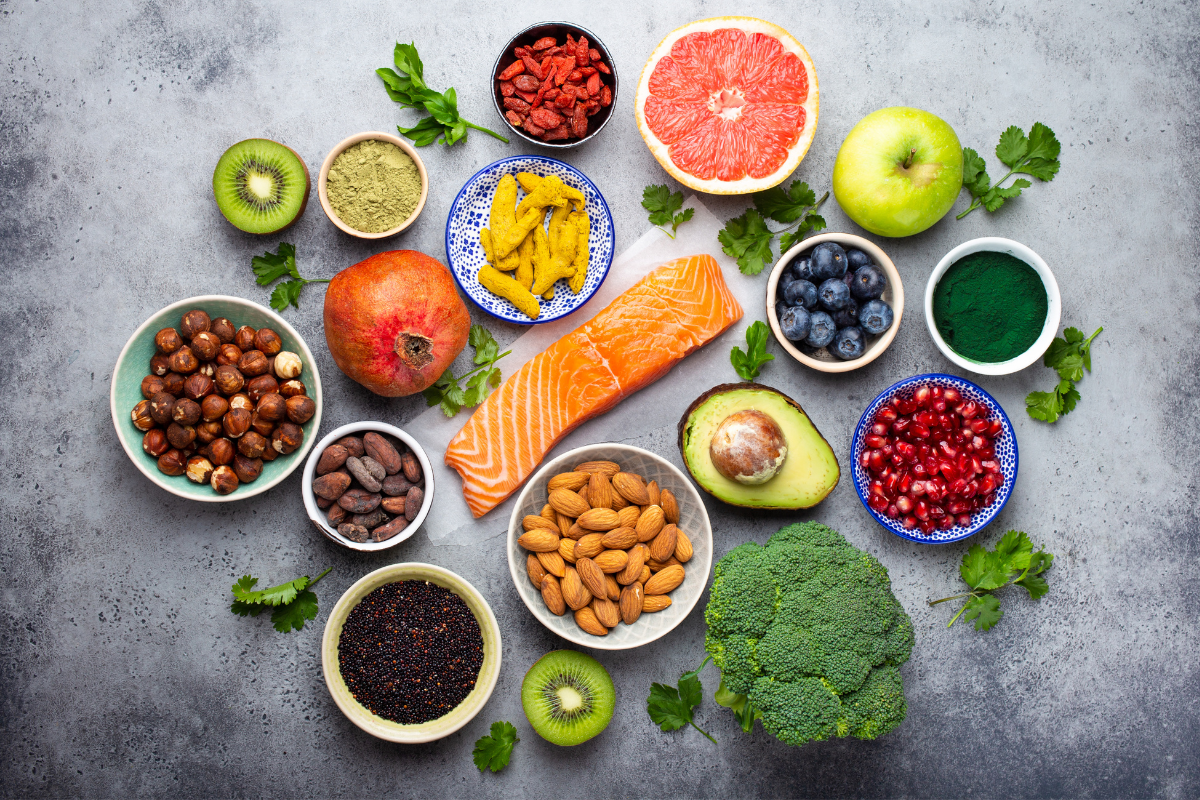
Walk down any health food aisle and you'll be bombarded with "superfoods", blueberries, goji berries, spirulina, and more, each promising miraculous health benefits and often carrying premium price tags. But what's the real story? Are these exotic foods truly superior, or is it just clever marketing? Let's separate nutritional science from marketing hype.
What Actually Makes a Food "Super"?
The term "superfood" isn't a scientific classification, it's a marketing term. There's no official definition or regulatory body that certifies a food as "super." Generally, these foods are plant-based and rich in nutrients, antioxidants, and beneficial compounds. But here's the catch: many ordinary, affordable foods have similar nutritional profiles.
Important Fact
The European Union banned the use of "superfood" on product labels in 2007 unless backed by specific, authorized health claims. Yet the marketing term persists globally.
Common Superfoods: What Science Really Says
Blueberries
The Claim
Weight loss miracle, anti-aging powerhouse, detoxifying superfruit
The Reality
Rich in antioxidants, but no better than blueberries or blackberries. No scientific evidence for weight loss claims.
Budget Alternative
Blueberries - Similar antioxidant content at a fraction of the price
Spirulina
The Claim
Complete protein source, immune booster, energy enhancer
The Reality
High in protein per gram, but you'd need unrealistic amounts to meet daily needs. Does contain beneficial nutrients.
Budget Alternative
Spinach + Legumes - More practical and affordable nutrient sources
Coconut Oil
The Claim
Heart-healthy, weight loss aid, metabolism booster
The Reality
82% saturated fat, higher than butter. American Heart Association advises against it for heart health.
Budget Alternative
Olive Oil - Proven heart-healthy fats backed by decades of research
Quinoa
The Claim
Ancient superfood, complete protein, gluten-free miracle grain
The Reality
Legitimately nutritious whole grain with all essential amino acids. This one lives up to the hype!
Budget Alternative
Brown Rice + Beans - Combining creates complete protein for less cost
Matcha
The Claim
10x more antioxidants than green tea, fat-burning properties, zen focus
The Reality
Higher in antioxidants because you consume the whole leaf. Benefits are real but often exaggerated.
Budget Alternative
Regular Green Tea - Very similar benefits at much lower cost
Goji Berries
The Claim
Longevity fruit, immune system booster, anti-cancer properties
The Reality
Good source of vitamins and antioxidants, but cancer claims lack human study evidence.
Budget Alternative
Strawberries or Cranberries - Comparable nutrient profiles and benefits
Everyday Foods That Are Just as "Super"
You don't need to break the bank on exotic superfoods. These affordable, accessible foods pack incredible nutritional value:
Kale & Spinach
Packed with vitamins A, C, K, iron, calcium, and antioxidants. Some of the most nutrient-dense foods available.
Walnuts & Almonds
Rich in omega-3s, protein, fiber, and vitamin E. Proven benefits for heart and brain health.
Blueberries
One of the highest antioxidant contents of any common fruit. Supports brain health and inflammation reduction.
Broccoli
Contains sulforaphane, vitamin C, fiber, and numerous cancer-fighting compounds backed by research.
Salmon
Excellent source of omega-3 fatty acids, high-quality protein, and vitamin D. Proven heart health benefits.
Beans & Lentils
Protein, fiber, iron, and folate. One of the most cost-effective nutrient sources available.
Eggs
Complete protein with all essential amino acids, choline, vitamins A, D, and B12. Incredible nutrient density.
Sweet Potatoes
High in beta-carotene, fiber, vitamins, and minerals. Excellent for blood sugar regulation.
The Real Problem with Superfood Marketing
Creates Nutritional Tunnel Vision
Focusing on single "miracle foods" distracts from the importance of overall diet quality and variety. No single food can make or break your health.
Exploits Consumer Confusion
Premium pricing for exotic foods creates the illusion that healthy eating is expensive, when many affordable options are equally nutritious.
Cherry-Picks Research
Marketing often cites test-tube or animal studies that don't translate to human health benefits at realistic consumption levels.
Environmental Impact
Importing exotic foods has a significant carbon footprint. Local, seasonal produce is often more sustainable and fresher.
Building a Truly "Super" Diet
Instead of chasing individual superfoods, focus on these evidence-based nutrition principles:
Eat the Rainbow
Different colored fruits and vegetables contain different phytonutrients. Variety is key, aim for 5-7 different colors daily.
Prioritize Whole Foods
Minimally processed foods retain more nutrients and fiber. Focus on foods that don't need ingredient lists.
Choose Local & Seasonal
Foods harvested at peak ripeness and consumed fresh contain maximum nutrients and support local agriculture.
Balance Your Plate
Include adequate protein, healthy fats, complex carbs, and fiber. Nutrient synergy matters more than individual foods.
Consistency Over Perfection
Regular consumption of nutritious foods beats occasional superfood splurges. Sustainable habits win long-term.
Don't Fear Frozen
Frozen fruits and vegetables are flash-frozen at peak ripeness and often contain equal or more nutrients than "fresh" options.
When Superfoods ARE Worth It
To be fair, some so-called superfoods do offer legitimate benefits in certain situations:
Dietary Diversity
If you're bored with your current diet, trying new superfoods can add variety and excitement to healthy eating.
Specific Nutrients
Some people have difficulty getting certain nutrients. For example, spirulina for vegans needing B-vitamins or iron.
Genuine Enjoyment
If you genuinely love the taste and it fits your budget, go for it! Enjoyment enhances adherence to healthy eating.
Convenience Factor
Some superfoods like protein powders or chia seeds offer convenient nutrition for busy lifestyles.
Conclusion
The truth about superfoods? They're not inherently bad, but they're not magical either. No single food will transform your health, and many affordable everyday foods are just as nutritious. Save your money, focus on overall diet quality, eat a variety of colorful whole foods, and remember: the best diet is one you can sustain long-term.
Focus on What Really Works
Track your overall nutrition, not just trendy foods. Glewell helps you build balanced, sustainable eating habits with any foods you choose.
Start Today