Introduction
Visceral fat, the fat stored deep inside the abdominal cavity around organs, has been linked to serious health risks, including heart disease, diabetes, and metabolic disorders. While cardio workouts have long been recommended for fat loss, weight lifting has emerged as a powerful tool for targeting visceral fat and improving overall health.
Understanding Visceral Fat
Unlike subcutaneous fat (the fat under your skin), visceral fat surrounds vital organs like the liver, pancreas, and intestines. Excess visceral fat can lead to inflammation, insulin resistance, and increased risk of chronic diseases.
Did You Know?
Visceral fat is metabolically active and releases inflammatory substances that can disrupt normal hormone function throughout the body.
Why Weight Lifting Works for Visceral Fat Reduction
1. Boosts Metabolism
Strength training increases muscle mass, which in turn boosts your resting metabolic rate (RMR). The more muscle you have, the more calories your body burns even when you're at rest.
2. Increases Afterburn Effect (EPOC)
Weight lifting creates the excess post-exercise oxygen consumption (EPOC) effect, meaning your body continues to burn calories for hours after your workout.
3. Improves Insulin Sensitivity
Strength training helps regulate blood sugar levels and reduces insulin resistance, preventing excessive fat storage in the abdominal area.
4. Reduces Cortisol Levels
Chronic stress leads to elevated cortisol levels, which promote visceral fat accumulation. Weight lifting has been shown to reduce cortisol.
Best Weight Lifting Exercises for Fat Loss

Squats
Engage the legs, core, and lower back

Deadlifts
Work the entire posterior chain
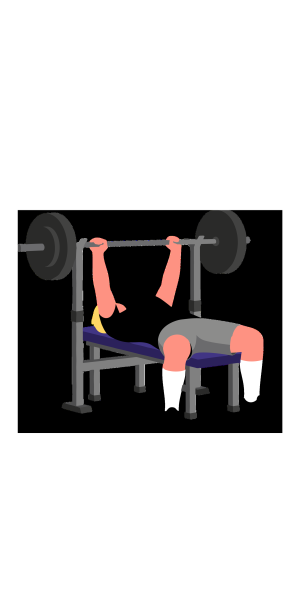
Bench Press
Targets the chest, shoulders, and arms
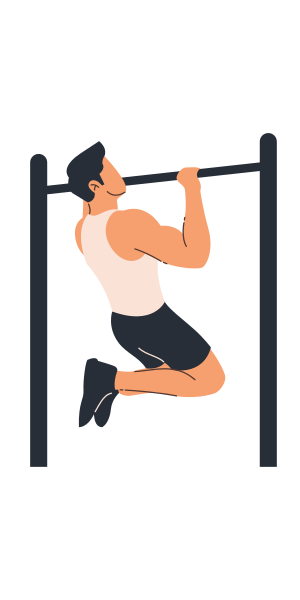
Pull-Ups
Strengthen the back and biceps
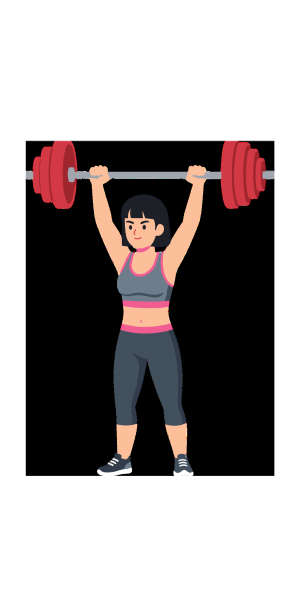
Overhead Press
Builds upper body strength
How to Structure Your Workout Plan
For optimal results, aim for 3-4 weight lifting sessions per week, incorporating both lower and upper body exercises:
Lower Body
- Squats
- Lunges
- Deadlifts
Upper Body
- Bench Press
- Pull-Ups
- Overhead Press
Full Body
- Deadlifts
- Squats
- Push-Ups
Active Recovery
- Light cardio (walking, cycling)
- Stretching and mobility work
- Yoga or Pilates
Conclusion
Weight lifting is more than just a tool for building muscle, it's a powerful strategy for reducing visceral fat, improving metabolism, and enhancing overall health. Start lifting today and take control of your body composition!